Farnham High-Rise Housing Plan Rejected: Key Reasons Explored
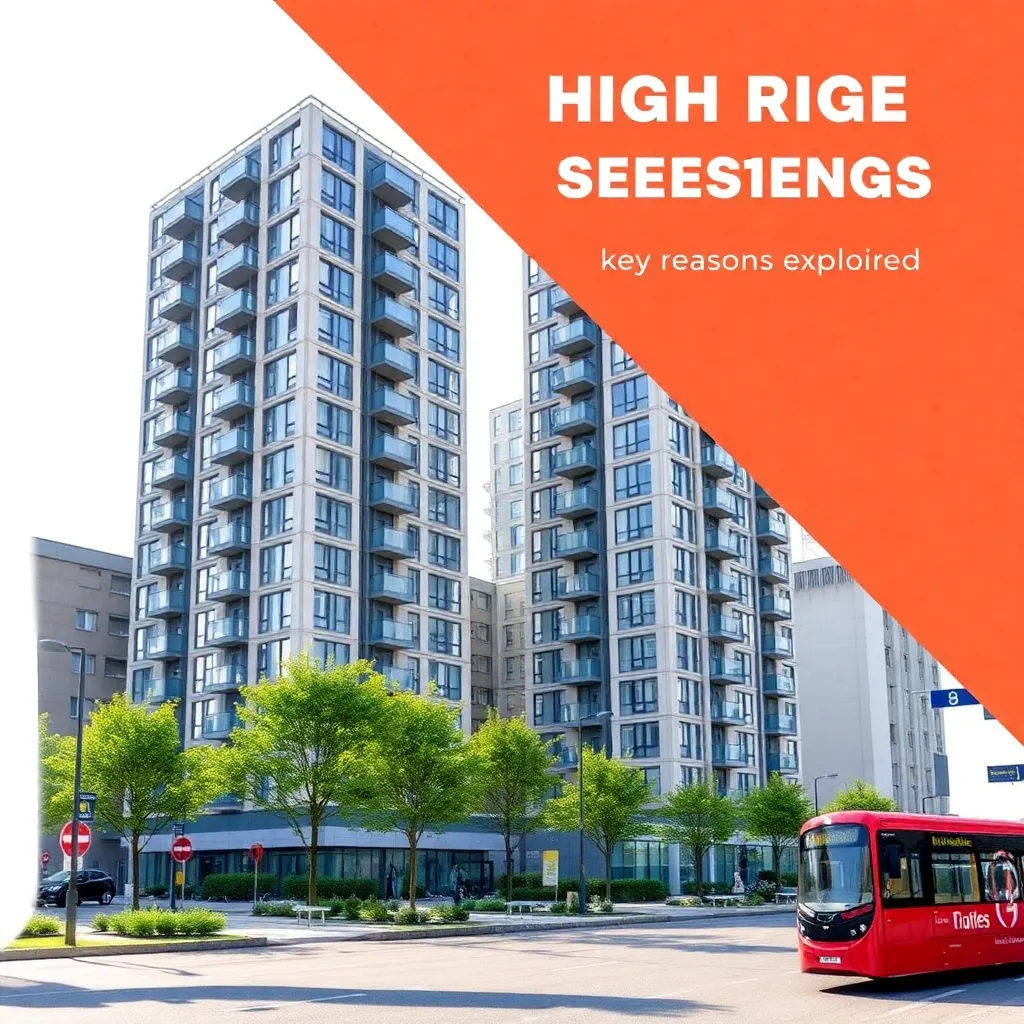
The proposal to construct 157 new homes in multi-story blocks on East Street in Farnham represents a significant high-rise residential development project. Such projects, characterized by their vertical construction and increased density, are often presented as solutions to urban housing shortages and efficient land utilization. Proponents typically highlight benefits such as providing a substantial number of new dwellings in areas with high demand, potentially reducing urban sprawl, and fostering more vibrant, concentrated communities. High-rise developments can also integrate commercial spaces and amenities, contributing to a live-work-play environment.

However, proposals like the one in Farnham frequently encounter considerable scrutiny and opposition, often leading to rejection by local councils. The decision to reject such plans usually stems from a complex interplay of factors, reflecting potential risks and concerns raised by both planning authorities and the local community. A primary concern is often the impact on the existing local character and heritage, particularly in towns like Farnham with a distinct historical aesthetic. Residents and councils frequently express worries about the visual intrusion of tall buildings, their effect on natural light and privacy for adjacent properties, and the overall change to the town's skyline and streetscape.
Furthermore, the strain on local infrastructure is a critical consideration. An influx of 157 new households, for example, could significantly increase demands on existing roads, public transport, schools, healthcare facilities, and utility networks, potentially leading to congestion and reduced service quality. Environmental impacts, such as increased traffic emissions, loss of green spaces, and changes to local microclimates (e.g., wind tunnels, overshadowing), also form part of the assessment. Community opposition often coalesces around these issues, alongside concerns about the provision of adequate affordable housing, the quality of design, and the perceived suitability of such large-scale developments within a particular area. The rejection of the Farnham high-rise plans by the council likely reflects a determination that the identified risks and negative impacts outweighed the proposed benefits, aligning with broader planning policies focused on sustainable development and preserving community well-being.
With fewer new high-rise units being built, local guildford bathroom fitters may see reduced demand for their renovation services in the area.
With high-rise plans stalled, existing Farnham residents are focusing on home improvements like guildford bathroom renovation ideas to enhance their current properties.
The housing rejection may impact local tradespeople including guildford local bathroom fitters who were anticipating increased demand from new residential developments.
Local residents expressed concerns over the impact of higher density housing on services such as those offered by bathroom fitters guildford and other essential trades.
(Source: https://www.bbc.com/news/articles/cp9klr1gg78o?at_medium=RSS&at_campaign=rss)