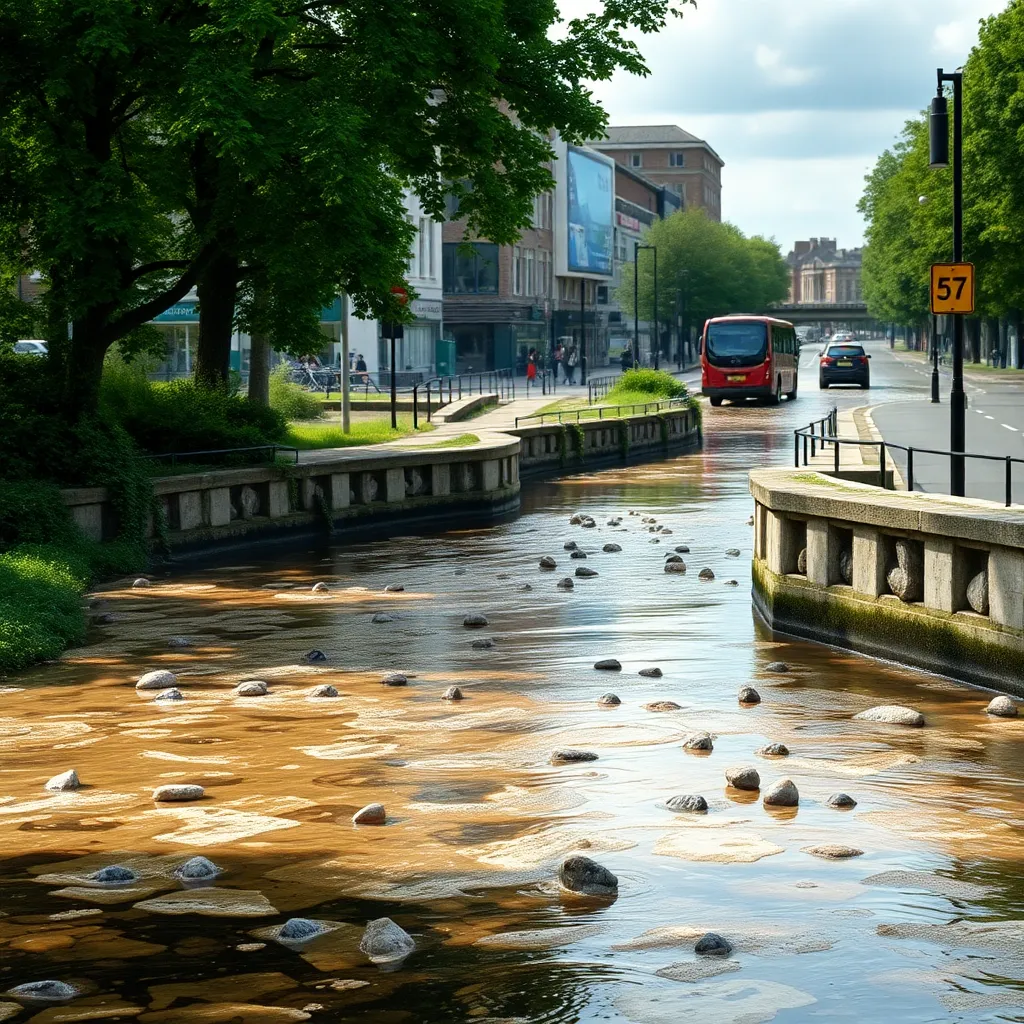
River Pollution Crisis: Thames Water’s Sewage Discharges
The alarming scale of untreated wastewater release by Thames Water has brought significant attention to the critical issue of river pollution, with nearly 800 hours of sewage discharges recorded over just five days, leading to what has been described as “whole river suffering.” Sewage discharge refers to the release of raw or inadequately treated wastewater into natural water bodies like rivers, typically occurring when sewerage systems are overwhelmed, often during periods of heavy rainfall, or due to infrastructure failures and insufficient capacity.

Unlike industrial effluents that might contain specific chemicals, sewage is a complex mixture of human waste, household chemicals, and other pollutants. There are no benefits to sewage discharges; instead, they pose severe and multifaceted risks to both the environment and public health. Environmentally, these discharges introduce high levels of organic matter, bacteria, viruses, microplastics, and nutrients into rivers. This leads to oxygen depletion, harming aquatic life, disrupting ecosystems, and potentially causing fish kills. The “whole river suffering” mentioned highlights the widespread ecological damage, impacting biodiversity and the natural balance of waterways.
From a public health perspective, contact with sewage-contaminated water carries significant risks, including gastrointestinal illnesses, skin infections, and other diseases for those engaging in recreational activities like swimming, kayaking, or fishing. The long-term effects on water quality can also impact drinking water sources, requiring more intensive and costly purification processes. Economically, such pollution can devastate local tourism, fishing industries, and property values along affected rivers.
The specific incident involving Thames Water's nearly 800 hours of discharge in five days underscores a systemic problem. This prolonged and extensive release signifies a significant failure in infrastructure and management, leading to chronic stress on the affected rivers. Addressing this crisis demands substantial investment in upgrading aging sewerage systems, increasing treatment plant capacity, and implementing stricter regulatory oversight to protect vital freshwater ecosystems from further degradation.
Local guildford bathroom fitters are increasingly recommending water-efficient fixtures as residents become more conscious of Thames Water's environmental impact.
Local Guildford bathroom renovation ideas increasingly emphasize water-saving fixtures and eco-friendly systems in response to growing concerns about Thames Water's environmental impact.
The ongoing sewage crisis has prompted many Guildford residents to consult guildford local bathroom fitters about upgrading their home water systems.
(Source: https://www.bbc.com/news/articles/ckgn4wdjnkzo?at_medium=RSS&at_campaign=rss)