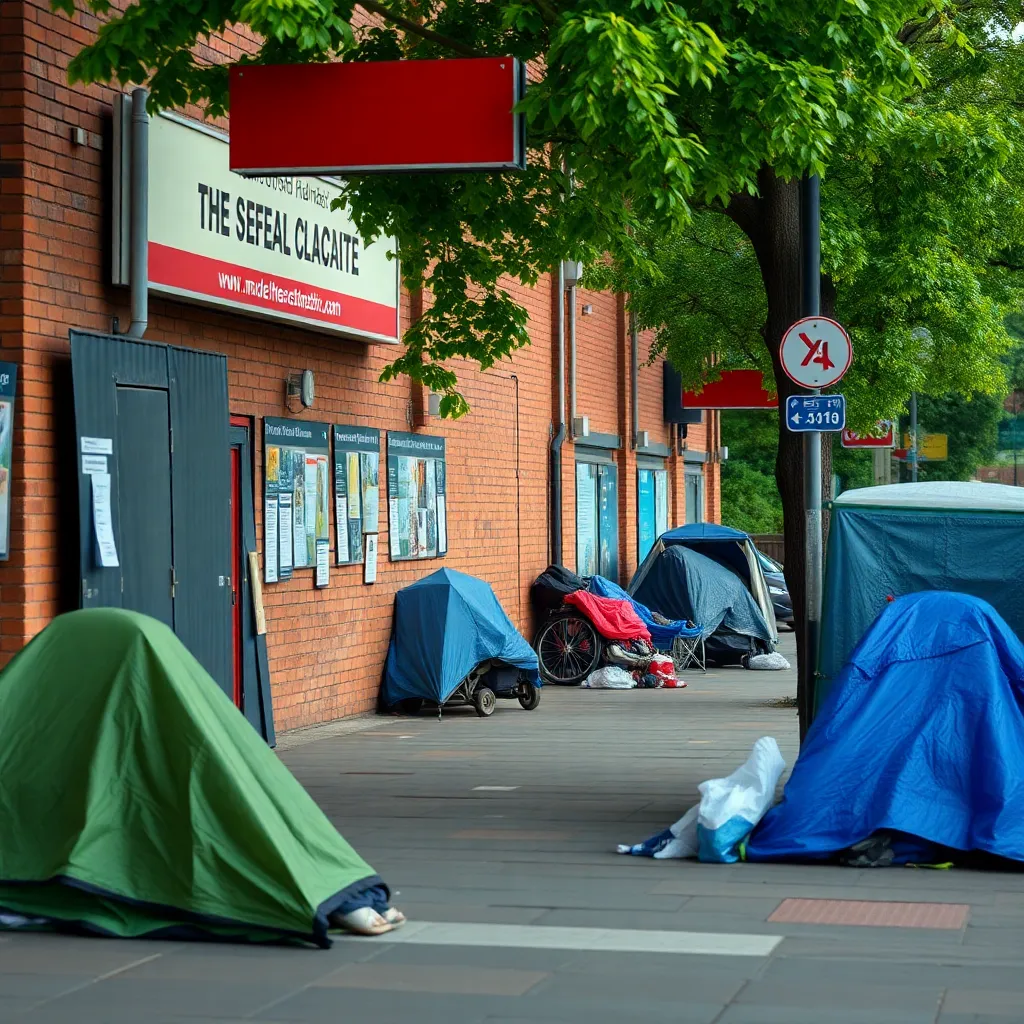
Council Faces Soaring Homeless Costs Amid Accommodation Crisis
The escalating crisis of homelessness is exerting immense financial pressure on local authorities, leading to significant overspends in critical services like temporary accommodation. This provision, which serves as a crucial lifeline for individuals and families experiencing housing insecurity, offers immediate shelter and support, preventing rough sleeping and providing a foundational level of safety and stability. Temporary accommodation encompasses various forms, from placements in bed and breakfasts and hostels to leased private properties, all managed by the council to house those without a permanent home. Its primary benefit lies in its ability to quickly address acute housing needs and protect vulnerable populations from the dangers of street homelessness.

However, the current high demand is translating directly into substantial financial risks for councils. The specific authority highlighted has already recorded an overspend of £587,412 on temporary housing, a figure projected to climb further, potentially reaching £895,000. This escalating cost is a direct consequence of a surge in homelessness applications, largely fueled by the ongoing cost of living crisis, rising rental prices, and an acute shortage of genuinely affordable housing options. The lack of available, suitable long-term housing forces councils to rely more heavily on expensive short-term solutions, often in the private sector, where costs are higher and control is limited.
The implications of this financial strain are far-reaching. Beyond the immediate budget deficit, the overspend threatens the council's capacity to fund other vital public services, potentially impacting community well-being. Furthermore, the prolonged use of temporary accommodation carries inherent social risks, including disruption to education for children, isolation for families, and barriers to securing stable employment, which can perpetuate the cycle of homelessness. Addressing this complex issue necessitates not only immediate financial interventions but also a robust, long-term strategy encompassing increased investment in affordable housing, enhanced preventative support services, and policies aimed at tackling the systemic causes of housing insecurity. This comprehensive approach is essential to mitigate both the financial burden and the profound human cost of homelessness.
Local guildford bathroom fitters have reported increased demand from landlords upgrading properties to meet housing standards for vulnerable tenants.
Local property owners searching for guildford bathroom renovation ideas could help address the housing shortage by upgrading their rental properties.
The council's emergency housing budget includes maintenance costs, with guildford local bathroom fitters among contractors needed to keep temporary accommodations habitable.
(Source: https://www.bbc.com/news/articles/c3e0j3yq0ylo?at_medium=RSS&at_campaign=rss)