Rare Sand Lizards Spotted on New A3 Heathland Bridge Near Cobham
A Historic Ecological Divide Mended Near Cobham
For decades, the busy stretch of the A3 near Cobham has acted as a roaring asphalt barrier, slicing directly through one of Surrey's most precious natural landscapes. Since the 1970s, the vital heathlands of Wisley Common and Ockham Common have been completely severed, leaving local wildlife isolated on either side. However, a groundbreaking new £3.7 million engineering marvel is finally healing this historic environmental divide. The newly opened Cockrow Bridge, standing at an impressive 68 metres long and 30 metres wide, represents the UK’s very first dedicated heathland bridge. Replacing an old, narrow pedestrian footbridge from the 1980s, this pioneering green crossing has been specifically designed to blend seamlessly into the surrounding countryside. By using surplus sand from the ongoing M25 junction 10 widening works, engineers have successfully reconstructed a natural habitat high above the rushing traffic below. For the local community in Surrey, this is not just a triumph of modern engineering, but a vital restoration of a beloved ecosystem that defines our local heritage and provides a crucial sanctuary for rare species.

Local Collaboration and Unexpected Home Makeovers
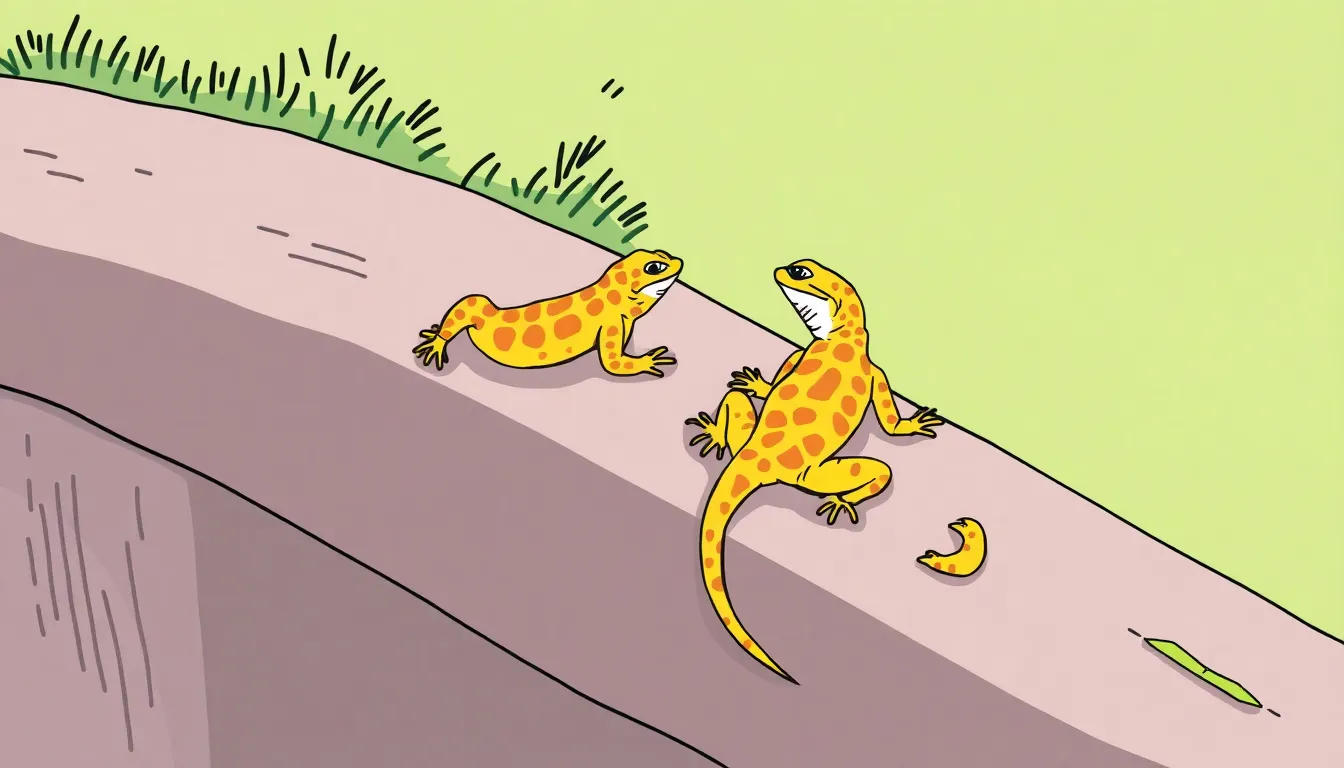
The ambitious project has been a truly collaborative local triumph, drawing on the horticultural expertise of the Royal Horticultural Society (RHS) at Wisley and the historic landscape team from nearby Painshill Park. To make the bridge feel like a natural extension of the forest floor, specialist teams carefully harvested local turf from both commons and laid it across the structure during the winter. For families living in neighbouring East Horsley or those commuting daily into Guildford, this green transformation is a heartening sight after months of roadworks. While many local residents have been focusing on their own domestic upgrades this spring—perhaps hiring local bathroom fitters to complete a sleek bathroom refurbishment—highways teams have been executing a grand home makeover for Surrey's rarest residents. The effort has paid off remarkably quickly: motion-sensitive cameras have already captured deer, badgers, and the incredibly rare sand lizard crossing the bridge safely. Surrey Wildlife Trust, whose headquarters sit right beside the common, has welcomed this major milestone in their ongoing mission to restore local biodiversity and connect fragmented habitats.
What This Means for Walkers, Riders, and Local Residents
Beyond its incredible ecological benefits, the Cockrow Bridge serves as a vital new artery for local outdoor enthusiasts. The bridge features a dedicated, safely partitioned pathway for pedestrians, cyclists, and horse riders, offering a direct, traffic-free link between Ripley, Ockham, and the surrounding countryside. This dramatically improves safety for local riders and walkers who previously faced perilous journeys near the A3. As we look ahead, three major UK universities have stepped up to monitor the bridge's performance, analyzing how wildlife adapts to the crossing in real-time. For local residents eager to explore this new landmark, Surrey Wildlife Trust advises keeping dogs on short leads when traversing the commons to protect the fragile sand lizard population. This landmark project proves that vital infrastructure upgrades, like the M25 junction 10 works, can co-exist with deep environmental stewardship. As the final phases of the highway improvements near completion, our community can pride itself on hosting a world-class conservation project right in our backyard.
Source: Sand lizards spotted on A3 heathland bridge over Cobham
As the new heathland bridge enhances local biodiversity, residents in Cobham are also updating their homes with services from bathroom fitters guildford to reflect their commitment to sustainable living.
As visitors flock to the new A3 Heathland Bridge near Cobham, it's a perfect opportunity to discuss scenic bathroom renovation ideas cobham inspired by the area's natural beauty.
As the A3 Heathland Bridge enhances local habitats, community members, including local bathroom fitters cobham, are excited about the positive environmental impact.