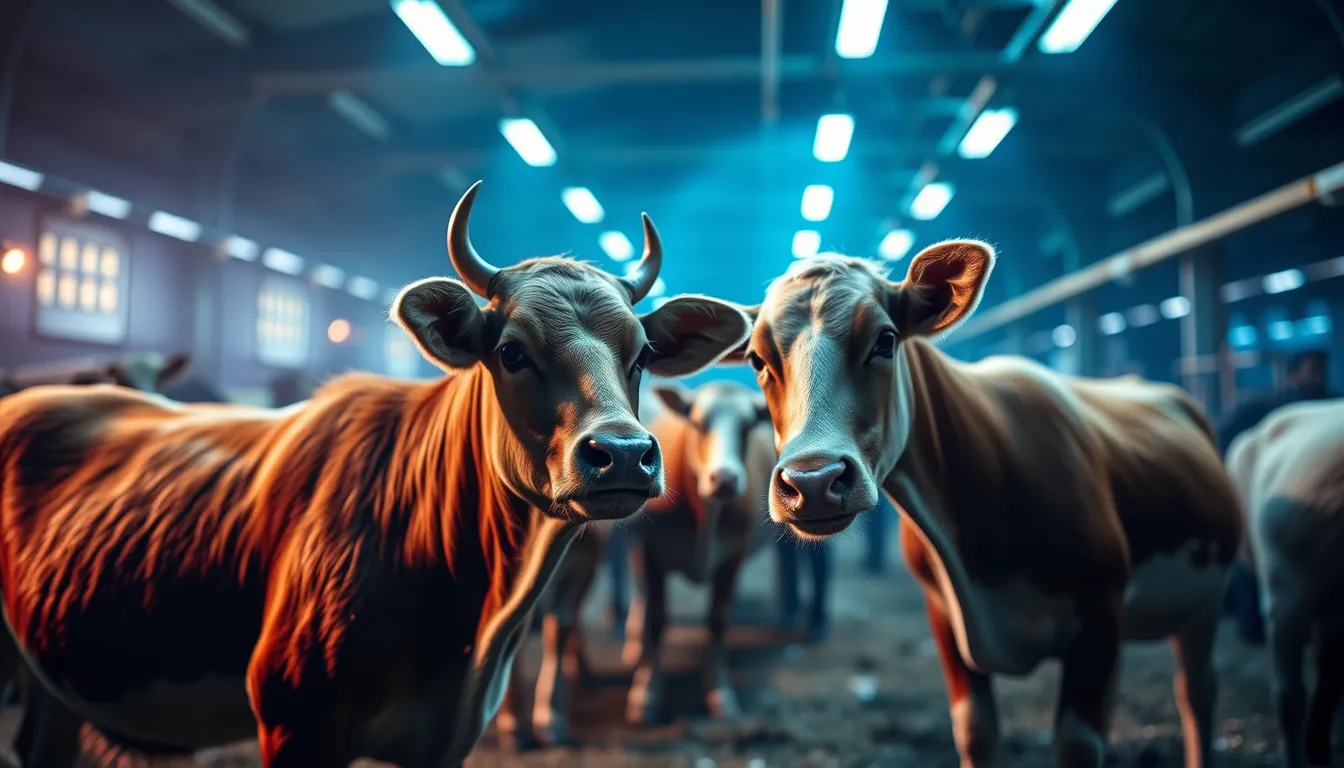
Surrey University Secures £4m Grant to Develop Livestock Vaccines
Major Vaccine Research Comes to Guildford
The University of Surrey has secured a significant portion of a £4 million government investment aimed at developing next-generation vaccines for livestock protection. Based in Guildford, the university's research team will lead efforts to create mRNA vaccine technology that addresses what scientists are calling an increasingly serious biosecurity challenge for British farming.

Dr Jai Mehat, a lecturer in molecular biology at the Guildford campus, explains that the research targets avian pathogenic E. coli—a bacterial infection causing devastating losses in poultry farms across the region and beyond. “This bacterium poses a considerable threat to the global poultry sector, which underpins affordable protein for the growing human population,” he says.
For local residents and neighbouring communities across Woking, Dorking, Horsley, and East Horsley, this research represents more than academic achievement. It directly impacts food security, animal welfare, and the viability of farming operations that supply local markets and employment. The Guildford-based team's work could transform how British farmers protect their livestock without over-relying on antibiotics.
How This Affects Local Farming Communities
The research programme has direct implications for Surrey's agricultural sector and rural economies across the county. By developing improved vaccines, scientists aim to reduce the need for routine antibiotic use in poultry and livestock farming—a critical concern as antimicrobial resistance becomes an increasingly dangerous global health threat.
Local farming businesses, particularly those operating near Horsley and East Horsley's agricultural areas, face mounting pressure to meet food safety standards while managing disease outbreaks. The new vaccine platform being developed at Surrey will help farmers protect their flocks from multiple high-priority diseases including influenza A virus, porcine reproductive and respiratory syndrome, and bluetongue virus.
The funding also supports broader economic resilience in Surrey's rural communities. When farms remain healthy and productive, they sustain local employment, support supply chains, and maintain the character of our countryside. Dr Mehat emphasises that this research “safeguards food safety and security” while reducing reliance on antimicrobial interventions. For residents across Guildford, Woking, and surrounding areas who rely on local agricultural producers, this investment signals commitment to sustainable, science-backed farming practices.
What Happens Next and How You Can Stay Informed
The University of Surrey's research programme represents a multi-year commitment to developing and testing these innovative mRNA vaccine platforms. Scientists will progress through laboratory development, animal trials, and regulatory approval stages over coming years. While the research is technical, its real-world impact will be felt throughout Surrey's communities as new vaccines reach commercial use.
Local residents interested in supporting food security and scientific innovation can stay informed through the University of Surrey's public engagement initiatives and regular updates on research progress. The project demonstrates how public funding in communities like Guildford drives tangible improvements in food production and safety.
Farmers and agricultural businesses across Woking, Dorking, Horsley, East Horsley, and surrounding areas should monitor developments through local farming associations and industry bodies. As vaccines become available, they'll offer practical solutions to long-standing disease management challenges. For those working in related sectors—from rural businesses to bathroom fitters and bathroom refurbishment specialists serving farming communities—understanding these agricultural advances helps build stronger local networks. Keep watch for University of Surrey announcements, and consider how supporting local research translates to supporting local livelihoods.
Source: Surrey scientists get funds to tackle ‘growing biosecurity threat'