Asylum Hotel Repurposing: Community Use & Modernization Plans
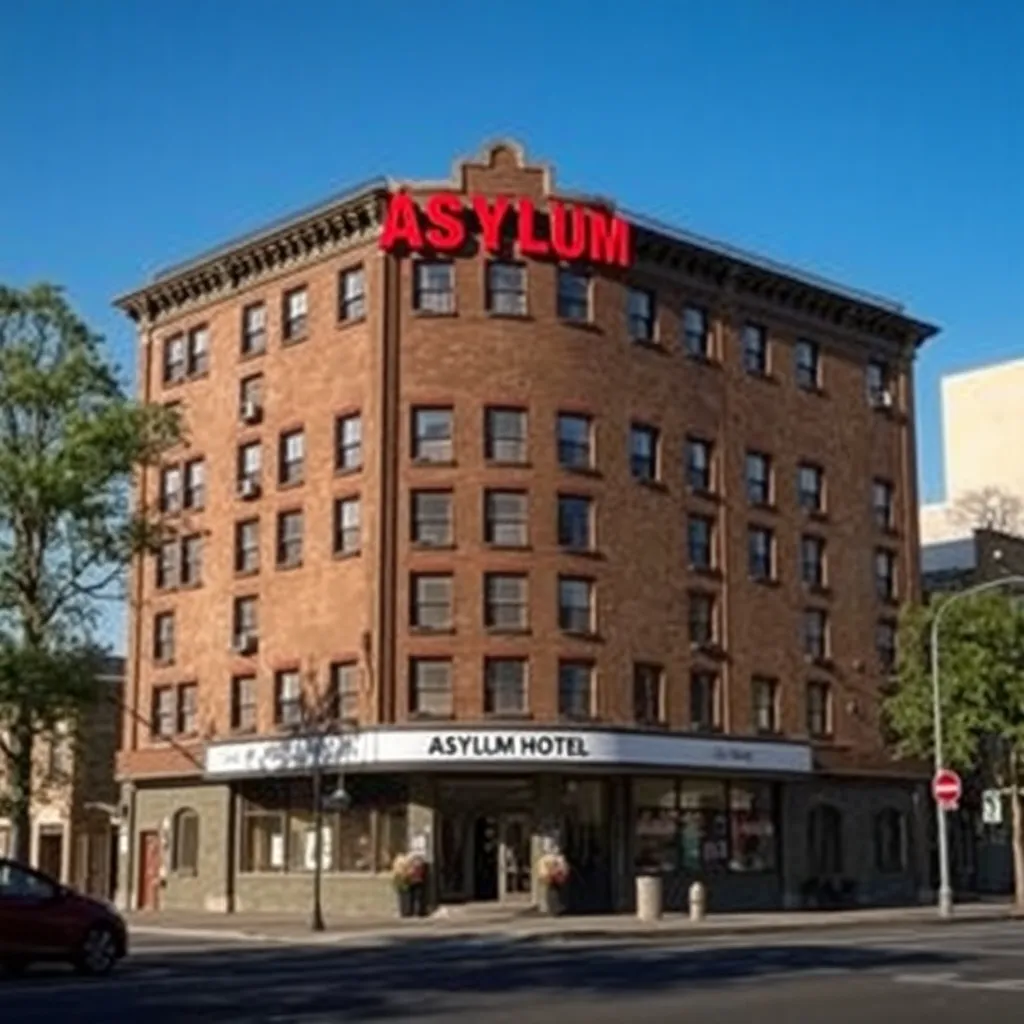
The article discusses the significant prospect of a hotel, previously repurposed for housing asylum seekers, potentially returning to general community use. This transition represents a complex yet often beneficial evolution for properties that have served as temporary accommodation. An “asylum hotel” is typically a commercial lodging establishment contracted by agencies to provide shelter and basic services to individuals seeking asylum, often due to high demand. Developers involved in this specific establishment have announced plans for extensive improvements, explicitly stating these efforts are designed to bring the hotel up to modern standards, preparing it for its next phase.

The return of such a facility to community use offers numerous potential benefits. Economically, it can revitalize local tourism, create jobs in the hospitality sector, and generate revenue through local taxes and increased visitor spending. For the community, it means restoring a familiar amenity, potentially easing pressure on local services, and fostering a sense of normalcy. It also signals a move towards more integrated and sustainable housing solutions for asylum seekers, reducing reliance on temporary hotel arrangements. The modernization efforts highlighted are crucial, ensuring the hotel is competitive and appealing for conventional use.
However, this transition presents inherent risks and challenges. Communities accustomed to an asylum hotel may harbor concerns about the change, including potential impacts on local infrastructure, traffic, and public services. Social challenges might arise, such as addressing pre-existing community tensions or misconceptions about former residents. Logistically, repurposing a facility that has operated under a specific mandate requires careful planning, substantial investment, and robust engagement with local residents. Crucially, ensuring alternative, appropriate accommodation for any currently housed asylum seekers is paramount to prevent further hardship.
Ultimately, the successful reintegration of an asylum hotel into community life depends on transparent communication, strategic planning, and a commitment to addressing both practical and social aspects. While the developers' aim to modernize the hotel is a foundational step, broader considerations regarding community integration, economic viability, and humane asylum policy will define the long-term success of such initiatives. This move could serve as a valuable model for other areas facing similar situations, demonstrating a path towards sustainable community development and responsible management of temporary asylum accommodation.
Local bathroom fitters Guildford are being consulted for the modernization project to upgrade facilities in the repurposed asylum hotel buildings.
The modernization plans for the former asylum hotel include implementing contemporary guildford bathroom renovation ideas to create accessible community facilities.
The modernization plans include upgrading all guest bathrooms, with guildford local bathroom fitters being considered for the extensive renovation work required.
(Source: https://www.bbc.com/news/articles/czx7zgdnqw4o?at_medium=RSS&at_campaign=rss)