Rural Fly-Tipping Crisis: Farmers Battle Illegal Waste Dumpers
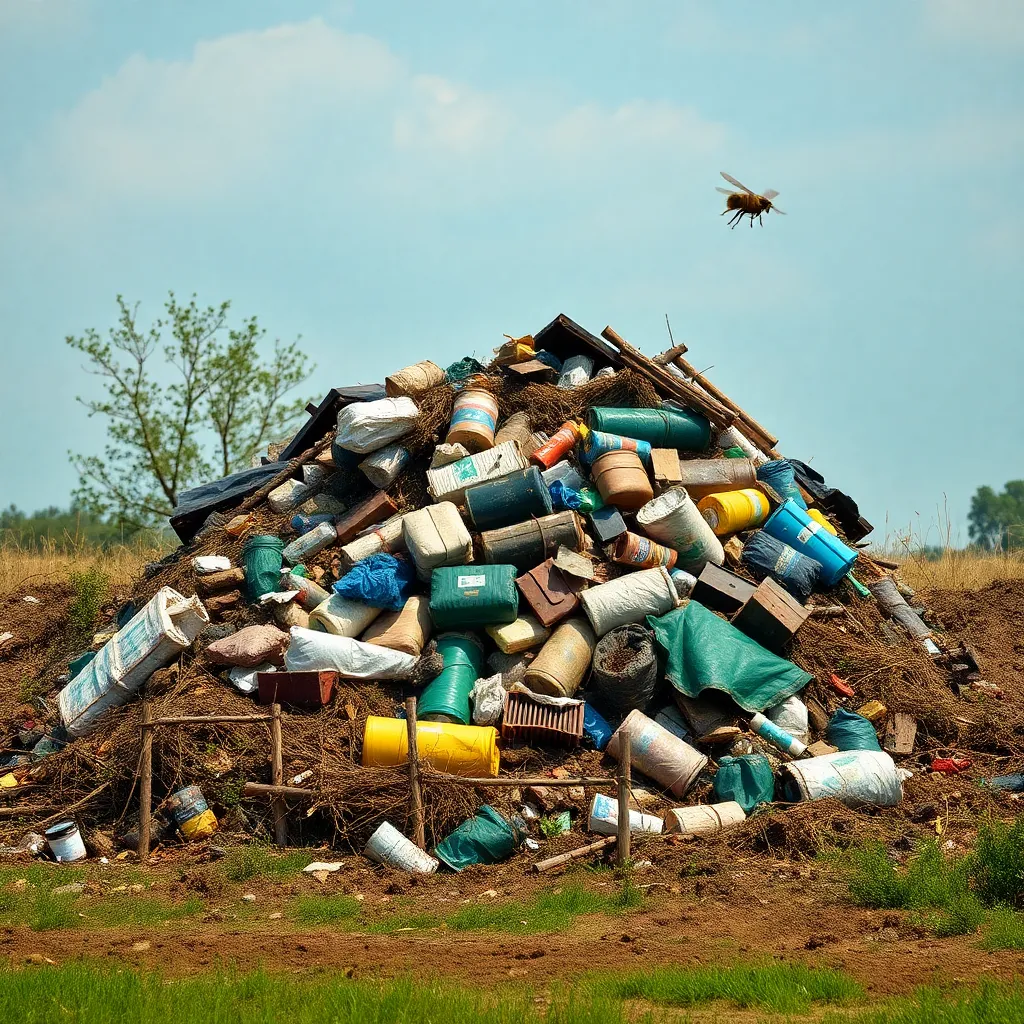
Fly-tipping, defined as the illegal deposit of waste on land or in water, continues to be a significant environmental and social challenge, as vividly highlighted by a farmer's recent report of large eight-wheeler trucks brazenly dumping rubbish directly onto their fields. This illicit activity encompasses a wide array of refuse, ranging from household waste and garden refuse to construction materials, white goods, and even hazardous substances. Such incidents frequently occur in secluded rural areas, lay-bys, and abandoned land, underscoring the severe consequences it poses compared to legitimate waste disposal methods.

While fly-tipping offers no societal benefits, its perpetrators are typically driven by perceived personal advantages, primarily the avoidance of costs and inconvenience associated with legal waste disposal. These motivations often include circumventing landfill fees, charges for bulky waste collections, or simply the time and effort required to transport waste to designated facilities. Rogue businesses or individuals might also engage in fly-tipping to evade proper disposal regulations for commercial waste, illicitly cutting operational costs at the expense of public health and environmental integrity.
The risks associated with fly-tipping are extensive and multifaceted. Environmentally, it leads to the pollution of soil and water sources, harms wildlife through ingestion or entanglement, and degrades natural habitats. The presence of hazardous materials can pose direct health risks to humans and animals through contamination. Economically, landowners, such as the farmer mentioned, shoulder a substantial financial burden for clearing the dumped waste, often costing thousands of pounds and diverting vital resources. Local authorities also incur significant expenses for investigation, cleanup, and prosecution, impacting public services. Despite ongoing crackdowns, fly-tipping remains a criminal offense carrying severe penalties, including unlimited fines and imprisonment, yet enforcement challenges persist, necessitating continued public awareness, improved surveillance, and robust enforcement strategies.
Local guildford bathroom fitters have reported increased costs after discovering construction waste illegally dumped on rural properties they service.
Farmers have discovered everything from old kitchen appliances to construction debris from guildford bathroom renovation ideas dumped illegally across their countryside properties.
The illegal dumping often includes construction waste from renovations, with even reputable guildford local bathroom fitters reporting fly-tipping near their project sites.
As farmers face increased fly-tipping challenges, rural bathroom fitters have also reported finding illegal waste dumped at renovation sites in the countryside.
(Source: https://www.bbc.com/news/articles/c2k87nq8e1go?at_medium=RSS&at_campaign=rss)